

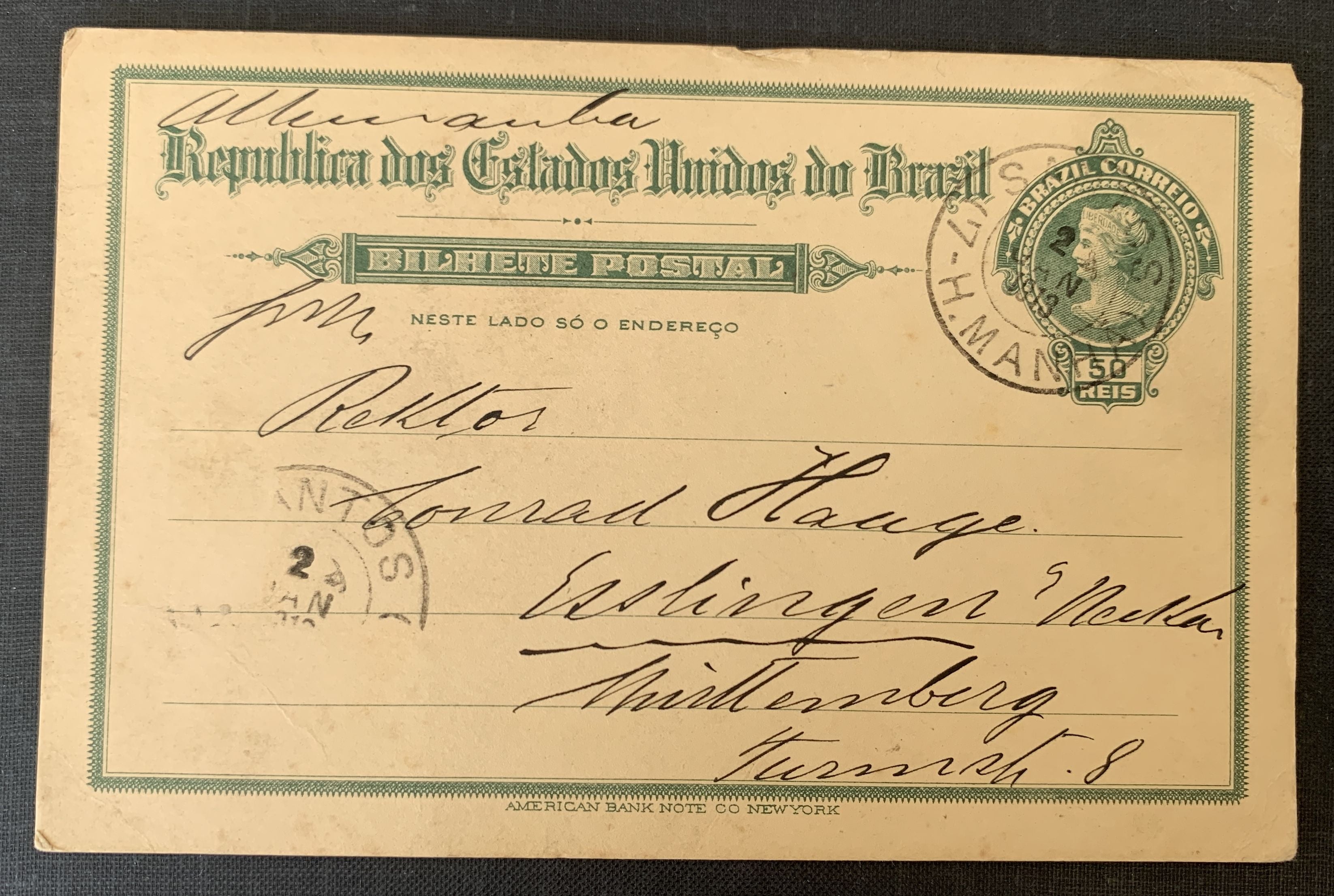
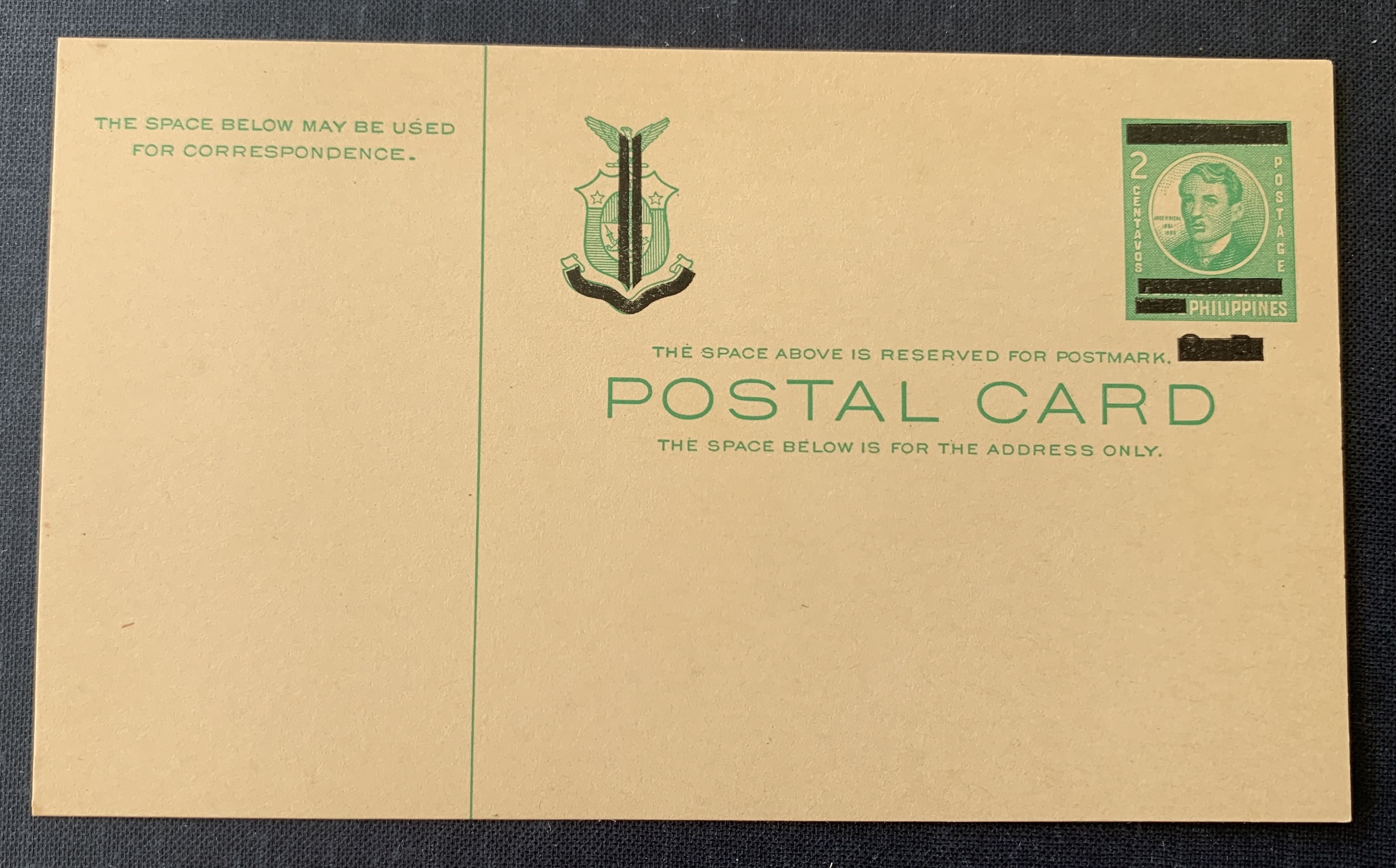
In the mid-nineteenth century, a revolution in administrative efficiency took the form of a pre-paid gamble. It was a period when the burgeoning Victorian state sought to codify its postal infrastructure, transforming the act of communication into a streamlined, bureaucratic ritual. For the casual observer, a stamp is merely a vestigial sticker of tax payment—an ephemeral adhesive to be licked and forgotten. However, for the discerning philatelic historian, often those who have reached a vintage of fifty years or more and possess an eye for the "whole" story, the true allure lies in the Ganzsache. Known elsewhere as Enteros Postales or postal stationery, these items represent a sophisticated marriage of medium and message where the postage is not an afterthought, but a pre-printed guarantee of fiscal validity.
1. The Genesis of the "Ganzsache"
The history of postal stationery is a narrative of administrative crisis met by visionary innovation. It began in England in 1840, launching alongside the "One Penny Black." While the world obsessed over the adhesive stamp, the British Post Office introduced the Mulready fold-letter. Designed by William Mulready, R.A., and meticulously engraved by John Thompson, the design featured the phrase "Postage One Penny" at its center. It was intended to be the primary method of pre-payment, an integrated solution for the letter-writing public.
Across the continent, the Swiss Canton of Geneva followed in 1846 with its first official stationery—small envelopes issued in three distinct sizes. Yet, the true democratization of the post arrived in 1869. Dr. Emanuel Herrmann and Dr. Heinrich von Stephan proposed a radical concept to the Austrian administration: "open communication" sent at a cheap, "printed matter" rate. This innovation, the postcard, launched on October 1, 1869, with imprinted stamps, a move adopted by Britain exactly one year later. By 1873, Spain joined this philatelic vanguard, eventually celebrating the centennial of its first issues in 1973 with the high-grammage, white cardstock "Serie Turística." This celebrated series began with four province-specific issues—Barcelona, Madrid, Córdoba, and Zaragoza—featuring a satin finish that elevated the humble postcard to a work of art.
2. The Stationery Distinction: Integrated Value
To understand the appeal of the Ganzsache, one must appreciate the technical and aesthetic divide between stationery and loose adhesive stamps.

- Integrated Value: In postal stationery, the value is imprinted directly into the paper fibers. The postage and the medium are one. This differs fundamentally from the Ganzstück—a term the rigorous collector reserves for a "cover" or envelope where adhesive stamps have been applied to the paper.
- The "Whole" Philosophy: Before 1900, it was fashionable to collect "cut-outs"—imprinted stamps snipped from their original envelopes. Modern philately has matured beyond this fragmentation. We now prize the entire piece, recognizing that the envelope or card provides the essential context of its era.
- Design Scope: Without the spatial constraints of a tiny adhesive square, designers found a broader canvas. This allowed for the grand "Britannia" motif of the Mulready—depicting the national figure sending messengers across the globe—and the expansive provincial scenes of the Spanish Tarjetas del Correo.
3. Tale of the Tantalizing Trivial
The history of the post is frequently a history of public outcry and social shifts, as evidenced by two defining anecdotes of the field.
The Mulready Ridicule and Destruction The 1840 Mulready was an artistic triumph but a public relations catastrophe. Its elaborate allegory of winged messengers was mocked by a public that found it pretentious. This derision birthed a cottage industry of "caricature envelopes" produced by publishers such as Fores’, Spooner, and Menzies. The ridicule was so absolute that the British Post Office was forced to withdraw the Mulready after only two months. Today, these "failures" and the caricatures that mocked them are among the most sought-after relics in postal history.
The "Secret Code" of Postcards The 1870 launch of the British postcard triggered a social dynamic that nearly overwhelmed the postal infrastructure. On the first day alone, 575,000 cards flooded the London Chief Office. Traditional cancelling methods were too slow for this deluge, prompting Joseph Sloper to supply punch machines. These created the famous "Orb and Cross" punch—a mechanical necessity born of a communication boom. Because the message was "open," it necessitated a new, concise social code, a nineteenth-century precursor to the digital brevity we know today.
4. From the Wastebin to the Auction Block
What was once discarded as office ephemera now stands as a blue-chip asset class. The market for these rarities serves as a high-stakes benchmark for historical value.
The 'Lady Louis' Mulready remains a hallmark of the field, a blue-chip specimen that exemplifies the heights of English stationery. Nearby in the record books sits the British Guiana One-Cent Magenta; though an emergency local print rather than stationery in the purest sense, its trajectory—selling for $9.5 million in 2014 and $8.3 million in 2021—underscores the fiscal gravity of philatelic rarity.
In Spain, the 1851 2-reales color error remains legendary. Printed in blue rather than its intended hue, the error occurred when a 2-reales cliché was accidentally inserted into the 6-reales printing plate; an example fetched 19,000 euros as far back as 1996. Meanwhile, early British and Swiss fragments and cards continue to command premium prices, with notable "pedigree" sales at Grosvenor, the Cavendish 2004 auction (£2,823), and the "Royal Palm" Stanley Gibbons sale.
5. The Soul of the Primary Source
Why does this field continue to captivate the seasoned historian? It is because postal stationery represents an unedited primary source—a physical survivor of human interaction. While a mint adhesive stamp is a pristine product of the press, a used Ganzsache carries the DNA of its journey.
One finds the "DNA" in the slanted Victorian script, the accidental ink-blots, and the complex transit markings that trace a letter's path across borders. These items capture the social context of their era in a way no digital ghost ever could. In an era of delete-buttons and digital ghosts, these pre-paid relics remain the most tactile—and honest—witnesses to the labor of staying in touch.
0 comments